

5 Common Causes of Water Intrusion Boat Owners Miss
Water intrusion is one of the most common — and costly — problems boat owners face. While most boaters keep an eye on obvious issues like heavy rain or rough seas, many leaks start from places that are easy to overlook.
Left undetected, even a small amount of water entering your boat can lead to electrical damage, mold, structural problems, or even sinking in extreme cases. The challenge is that water intrusion often begins slowly and quietly, long before it becomes visible.
Here are five common causes of water intrusion boat owners frequently miss — and what you can do to catch them early.
1. Worn or Failing Through-Hull Fittings
Through-hull fittings allow water to pass safely through your boat’s hull for systems like cooling, drains, and live wells. But over time, these fittings and their seals can deteriorate due to corrosion, vibration, and exposure to saltwater.
A small crack or worn gasket can allow water to seep into the hull continuously.
Signs to watch for:
Routine inspection is critical, especially before and during boating season.
2. Deck Hardware and Sealant Failure
Cleats, railings, rod holders, and other deck hardware are sealed during installation to prevent water from entering the boat. Over time, however, sealant can dry out, shrink, or crack.
When this happens, rainwater or spray can seep into the deck core or interior spaces.
Why this matters:
Water entering through deck fittings may not immediately reach the bilge, meaning the damage can remain hidden for months.
3. Damaged or Aging Hatch and Window Seals
Hatches and windows are frequent sources of water intrusion, especially on older boats. UV exposure, temperature changes, and constant opening and closing can cause seals to degrade.
A compromised seal can allow rain, spray, or washdown water to enter the cabin.
Common problem areas include:
Regularly inspecting rubber seals and gaskets can prevent long-term moisture problems inside your boat.
4. Plumbing and Hose Connection Failures
Boat plumbing systems rely on hoses and clamps that can loosen or degrade over time. A small crack or loose connection can allow water to leak slowly into compartments.
Common culprits include:
Because these leaks often occur in hidden compartments, they may go unnoticed until the bilge pump starts running more frequently.
5. Unexpected Rainwater Accumulation
Sometimes the issue isn’t a leak at all. Blocked scuppers, clogged drains, or poorly sealed covers can allow rainwater to collect and eventually enter the boat.
Leaves, debris, and marina buildup can easily block drainage paths, especially when the boat sits unused.
If water can’t drain properly, it may eventually find its way into storage compartments or the bilge.
Why Early Detection of Water Intrusion Matters
Water intrusion rarely starts as a major problem. In most cases, it begins as a slow leak that gradually worsens over time.
Early detection can help prevent:
The sooner you know something is wrong, the easier — and less expensive — it is to fix.
Monitor Your Boat Even When You’re Not There
Many water intrusion problems happen while your boat is unattended at the dock or in storage. That’s why more boat owners are turning to remote monitoring systems to stay informed.
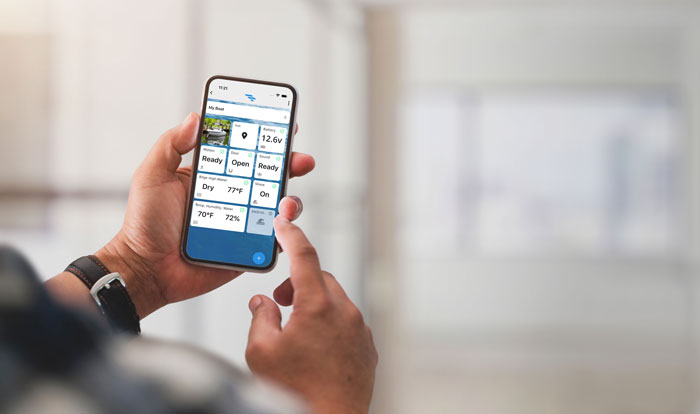
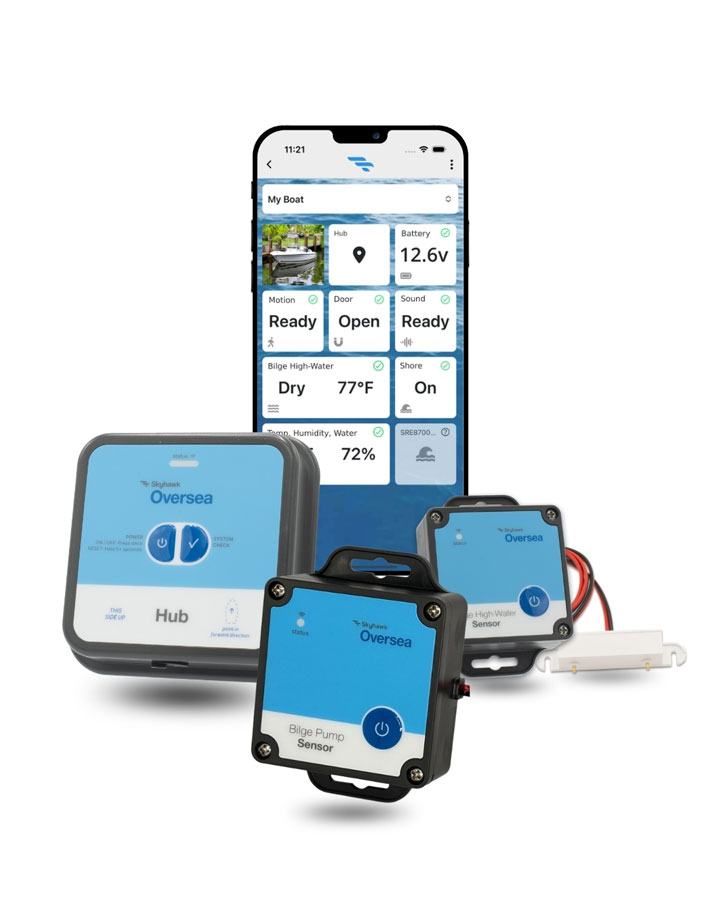
With wireless sensors and real-time alerts, solutions like Oversea remote boat monitoring can notify you the moment water levels change or conditions become abnormal. Instead of discovering a problem days or weeks later, you can respond right away.
For boat owners, that kind of awareness can make the difference between a quick fix and a major repair.
Stay Ahead of Water Intrusion
Regular inspections, proper maintenance, and early detection are the best ways to protect your boat from water intrusion. By understanding the most common hidden causes, you can catch small issues before they turn into serious problems.
If you want added peace of mind, smart monitoring technology can help ensure you know the moment something isn’t right — even when you’re miles away from your boat.
Protect your boat with smarter monitoring.
Learn more about Oversea boat monitoring at oversea.boats