
Signs Your Bilge Pump May Be Failing
How to Catch Problems Before They Become Emergencies
Your bilge pump is one of the most important pieces of safety equipment on your boat. Most boat owners rarely think about it—until it stops working when it’s needed most.
A properly functioning bilge pump helps remove unwanted water from your bilge and can prevent costly damage, electrical issues, or even the loss of your vessel. The challenge is that bilge pump problems often develop gradually, making them easy to overlook until a serious situation occurs.
Knowing the warning signs of a failing bilge pump can help you take action before a minor issue becomes a major emergency.
Why Bilge Pump Reliability Matters
Water can enter your boat from many sources, including rain, leaking fittings, failed hoses, shaft seals, plumbing issues, or rough weather conditions. Your bilge pump serves as the last line of defense against rising water levels.
When a bilge pump fails, water can accumulate quickly, potentially leading to:
Regular inspections and monitoring are essential for keeping your boat protected.
1. The Bilge Pump Runs Constantly
One of the most common signs of trouble is a bilge pump that seems to run all the time.
While frequent operation can indicate excessive water entering the bilge, it may also signal that the pump is struggling to remove water effectively. Clogged discharge lines, worn impellers, or partially blocked strainers can reduce pumping efficiency and force the pump to work harder.
If you notice your pump cycling more frequently than normal, it’s worth investigating the cause.
What to Check
2. The Bilge Pump Doesn’t Activate When Water Is Present
A bilge pump that fails to turn on is often a warning sign of electrical or float switch problems.
Most automatic bilge pumps rely on a float switch or electronic sensor to detect rising water. If these components fail, water may continue accumulating without triggering the pump.
Common Causes
Testing your bilge pump regularly can help identify these issues before they become critical.
3. Strange Noises During Operation
Bilge pumps typically produce a steady humming sound during operation. Unusual noises may indicate internal wear or mechanical issues.
Listen for:
These symptoms may suggest worn bearings, debris inside the pump, or motor failure.
Ignoring unusual sounds can shorten the life of your pump and increase the risk of complete failure.
4. Water Remains in the Bilge After Pumping
If your pump runs but leaves significant standing water behind, performance may be declining.
Some residual water is normal, but noticeable pooling could indicate:
A pump that can’t efficiently remove water may not be able to keep up during heavy rain or emergency situations.
5. Frequent Fuse or Breaker Trips
Electrical issues often appear before total pump failure.
If the bilge pump repeatedly blows fuses or trips breakers, it may be drawing excessive current due to:
Electrical problems should be addressed immediately, as they can affect other onboard systems as well.
6. Corrosion Around the Pump or Wiring
The marine environment is tough on electrical equipment.
Corrosion around wiring terminals, connectors, or the pump housing can create resistance, reduce performance, and eventually lead to failure.
Inspect for:
Routine maintenance can significantly extend the life of your bilge pump system.
7. The Pump Is More Than a Few Years Old
Even if your bilge pump appears to be functioning properly, age can be a risk factor.
Marine pumps operate in harsh conditions and experience wear over time. If your pump is several years old, it may be worth replacing proactively, especially if you rely on your boat for extended trips or leave it unattended for long periods.
A new pump is often far less expensive than repairing flood-related damage.
Inspect for:
Routine maintenance can significantly extend the life of your bilge pump system.
How to Monitor Bilge Conditions When You’re Away
One of the biggest challenges boat owners face is knowing what’s happening when they’re not at the dock.
A bilge pump can fail at any time, and many issues aren’t discovered until the next visit to the marina. By then, significant damage may have already occurred.
Remote monitoring technology can provide an additional layer of protection by alerting you when water levels rise unexpectedly.
Stay Informed with the Oversea Bilge High-Water Sensor
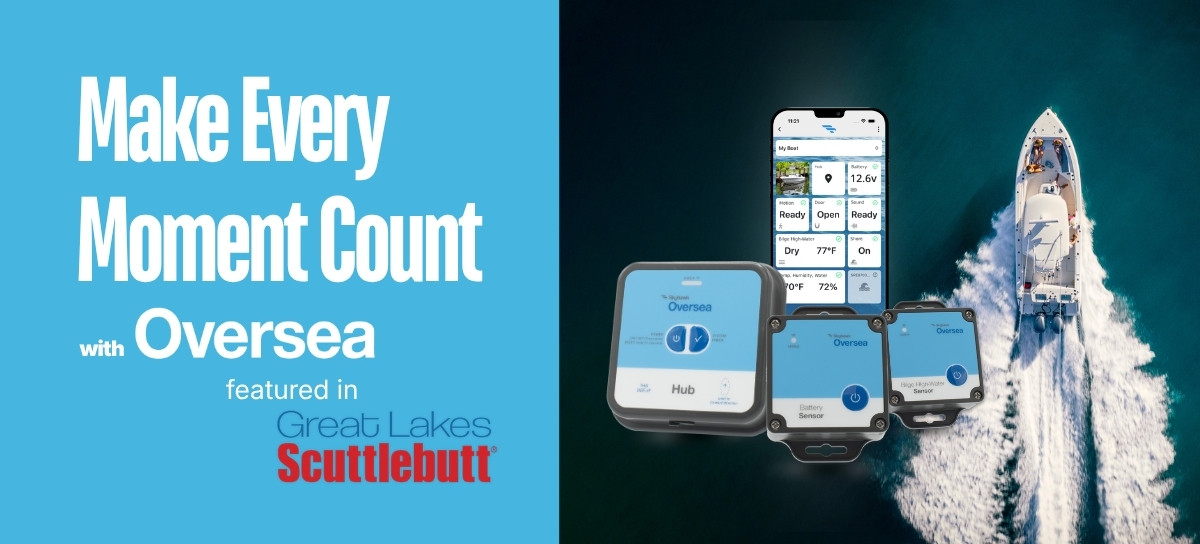
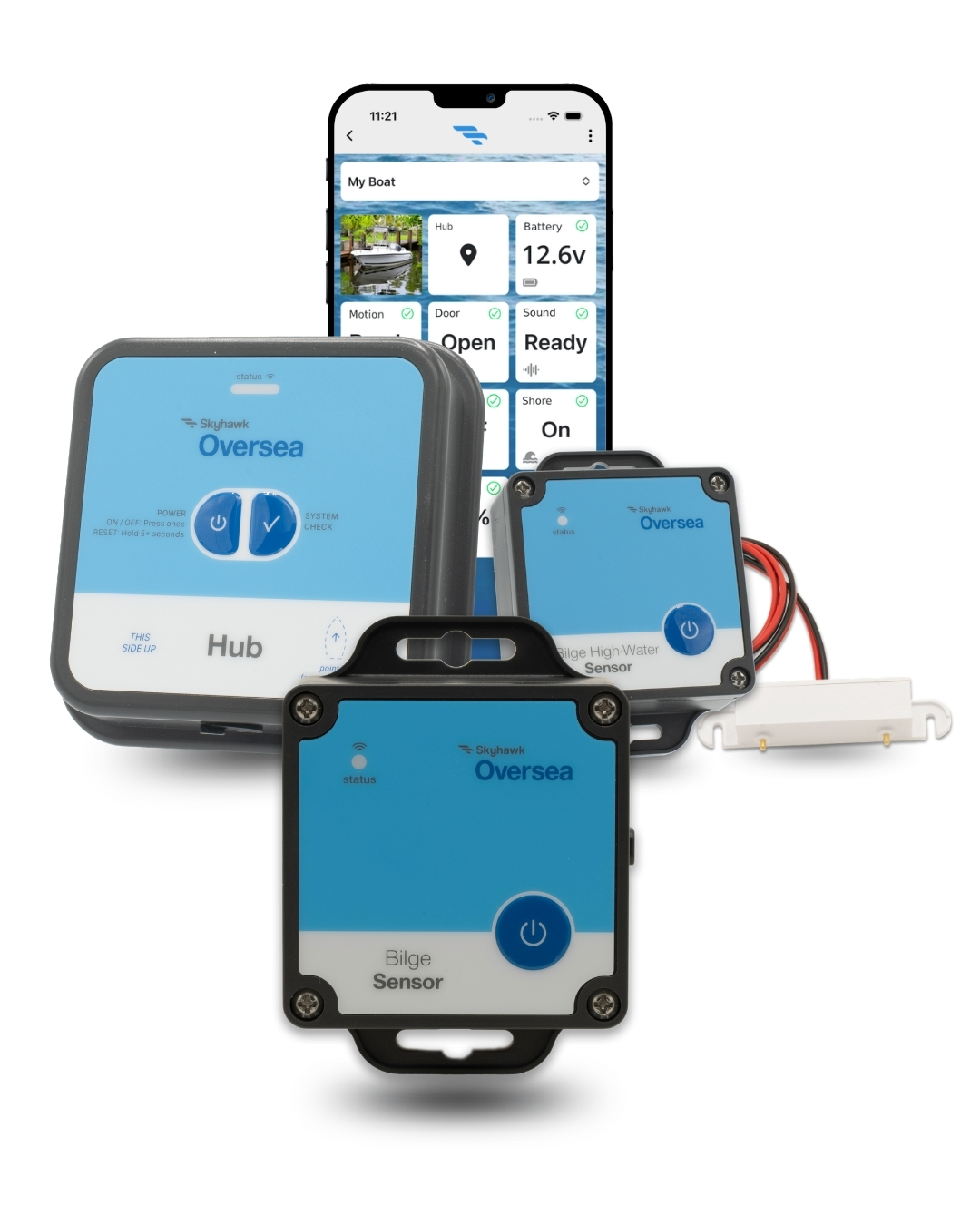
The Skyhawk Oversea Bilge High-Water Sensor helps boat owners monitor critical bilge conditions from virtually anywhere.
When water reaches a predetermined level, the sensor sends an alert through the Oversea system, allowing you to respond quickly before the situation escalates.
Key benefits include:
Combined with routine maintenance and inspections, bilge monitoring can help reduce risk and provide greater peace of mind.
Final Thoughts
A failing bilge pump rarely stops working without warning. Frequent cycling, unusual noises, electrical issues, and poor pumping performance are all signs that something may be wrong.
By recognizing these warning signs early and taking corrective action, you can avoid costly repairs and help protect your boat from unexpected water damage.
If you want greater visibility into bilge conditions when you’re away from the dock, the Skyhawk Oversea Bilge High-Water Sensor can provide real-time alerts when rising water levels demand your attention.
Because when it comes to protecting your boat, early warning can make all the difference.